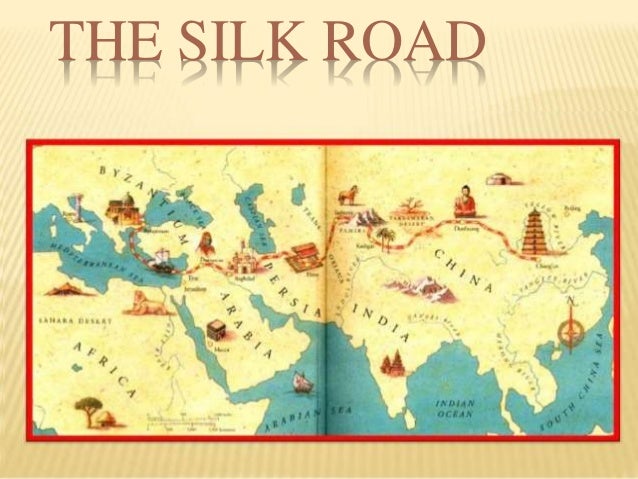
Besides silk, paper and other goods, the silk road carried another commodity which was equally significant in world history.
View Spread Of Religion On The Silk Road Background. Together with the economic and political exchange between the east and west, religions of the west were introduced into china via the. Buddhism entered han china via the silk road, beginning in the 1st or 2nd century ce. In religions of the silk road, richard foltz provides 3 main reasons for the spread of islam into central asia.
Religion on the Silk Road from image.slidesharecdn.com
This is a minor quibble, however; Religions of the silk roa. The silk road provided a network for the spread of the teachings of the buddha, enabling buddhism to become a world religion and to develop into a sophisticated and diverse system of belief and practice. Please go to a better site. Buddhism entered han china via the silk road, beginning in the 1st or 2nd century ce.
Readers can easily find maps and chronologies and other reference material elsewhere.
Iranian speakers who were the first. And it was along the silk road that buddhism began spreading into china from india as early as the first indeed, many of the temples and holy sites on the silk road were used by merchants as banks or others were destroyed as cultural shifts in china meant that different religions and new ways of. Zoroastrianism, manichaesm, nestroain christianity, judaism, shamanism, confucianism and taoism were also spread on the silk road. The silk road provided a network for the spread of the teachings of the buddha, enabling buddhism to become a world religion and to develop into a sophisticated and diverse system of belief and practice. 36:15 penn museum history summarized: This is a minor quibble, however; Hindu brahmin from 9th century cave at bezeklik in western china. This created a religion in which later incited buddhist monks to travel the silk road with merchant caravans to tell the world of their new beliefs. The spread of religion along the silk road. The silk road did not only promote commodity exchange but also cultural.