Khan academy is a 501(c)(3) nonprofit organization.
Download Silk Road What Was Traded PNG. The silk road came into being because when the chinese empire was founded in the late 3rd century bc and started to expand, they needed horses. The silk road was a 4000 mile trade route that extended from eastern europe to china, touching on the borders of india and persia along the way. The silk road was and is a network of trade routes connecting the east and west, and was central to the economic, cultural, political, and religious interactions between these regions from the 2nd century.
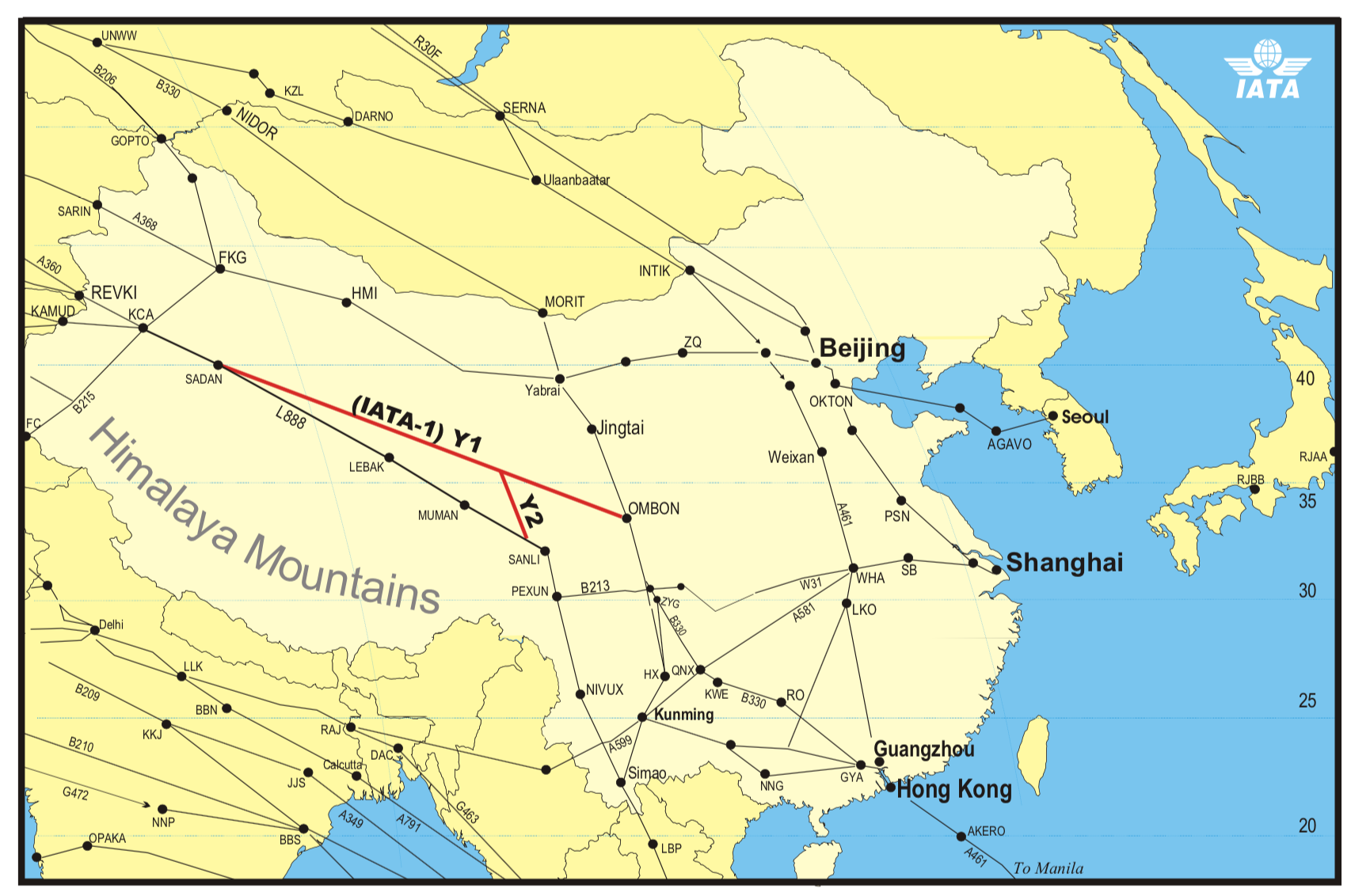
L888 - The Silk Road Airway - International Ops 2019 ... from ops.group
One that connected the eastern mediterranean to central asia and one that went from central asia to china. The han dynasty now controls. Han emperor wu sent imperial envoy zhang qian to make contact with cultures in central asia in 138 b.c., and his reports from his journeys. Learn about this and other exports and imports traded: But it was really two routes:
It began at susa in the north of persia.
The term is used for both overland routes and those that are marine or limnic. It was founded by ross william. It was an overland route where merchants carried goods for trade. The silk road was and is a network of trade routes connecting the east and west, and was central to the economic, cultural, political, and religious interactions between these regions from the 2nd century. The silk road was a 4000 mile trade route that extended from eastern europe to china, touching on the borders of india and persia along the way. The peoples living along different trade routes never referred to any particular route as the silk road. they referred to the different sections of the road as the road to. The silk road involved three continents: The silk road was an ancient network of trade routes, formally established during the han dynasty of china, which linked the regions of the ancient as the silk road was not a single thoroughfare from east to west, the term 'silk routes' has become increasingly favored by historians, though 'silk road'. They traded items such as tea, porcelain, fabrics, and silk. The silk road involved sea routes: