The mongol conquest of china proved a mark of stability for the silk road, which by the middle ages had.
30+ What Continents Were Connected By The Silk Road Background. It began during the han dynasty. If sogdian and other central asian traders traveled the distance over the desert and mountains in search of profits, and. The silk road was and is a network of trade routes connecting the east and west, and was central to the economic, cultural, political, and religious interactions between these regions from the 2nd century.
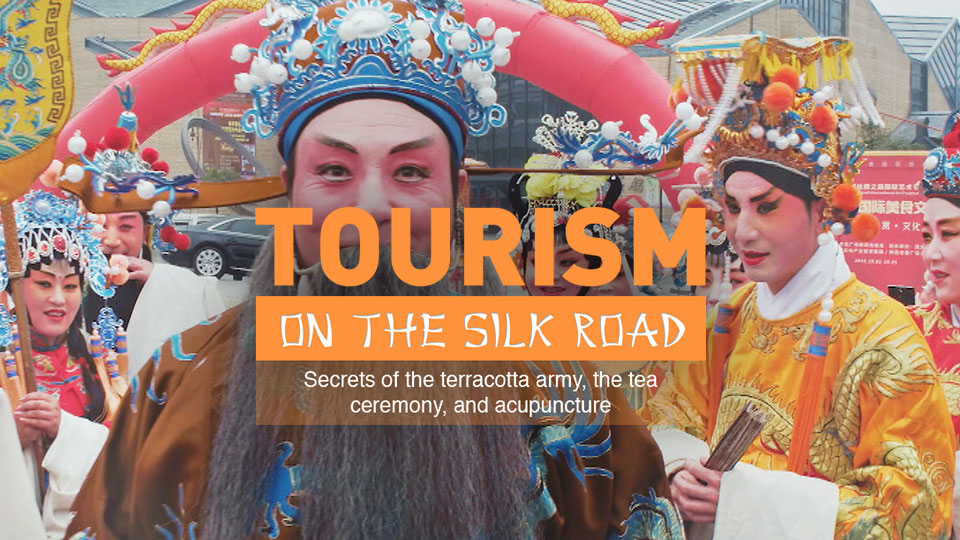
Secrets of the terracotta army, the tea ceremony, and ... from cdni.rt.com
This is the currently selected item. The silk road was a network of ancient trade routes which connected europe with the far east, spanning from the yellow sea to the korean peninsula and cangarusina and the african continent. The silk road connected two major points which were huge trading posts, without it neither areas would be as prosperous. The silk road was important because it helped to generate trade and commerce between a number of different kingdoms and empires. Walking the silk road, where globalization got started.
The silk road was an extensive interconnected network of trade routes across the asian continent connecting east, south, and western asia with the mediterranean world, including north africa and europe.
This is the currently selected item. The tocharian language was spoken in several communities along the silk road, especially. How china is reviving the silk road. Both are experiencing rapid development. The silk road was a historical network of trade routes that stretched from china to the mediterranean sea, allowing cultural and economic his story takes him from italy to china in the 13th century. China has wrapped an amorphous group of projects in a tidy package that speaks to inclusiveness, cooperation and altruism. Even though there were many physical obstacles, trade continued. The term is used for both overland routes and those that are marine or limnic. The silk road involved three continents: It connected the east and the west and it was central for both the economic and cultural interaction between two parts of the world.